In the forests of Te Hoiere, Marlborough, one of New Zealand's most endangered mammals is quietly raising its young. The pekapeka-tou-roa, the long-tailed bat, is nationally critical. Each female raises just a single pup a year. There is no margin for error.
Protecting them requires consistent, year-round predator control. And that takes people, equipment, and the kind of steady, sustained effort that is easy to underestimate from the outside.
The Te Hoiere Bat Recovery Program is doing exactly that work — and through the generous support of donors, the Top of the South Community Foundation was proud to help them do it better.
THE FUNDING
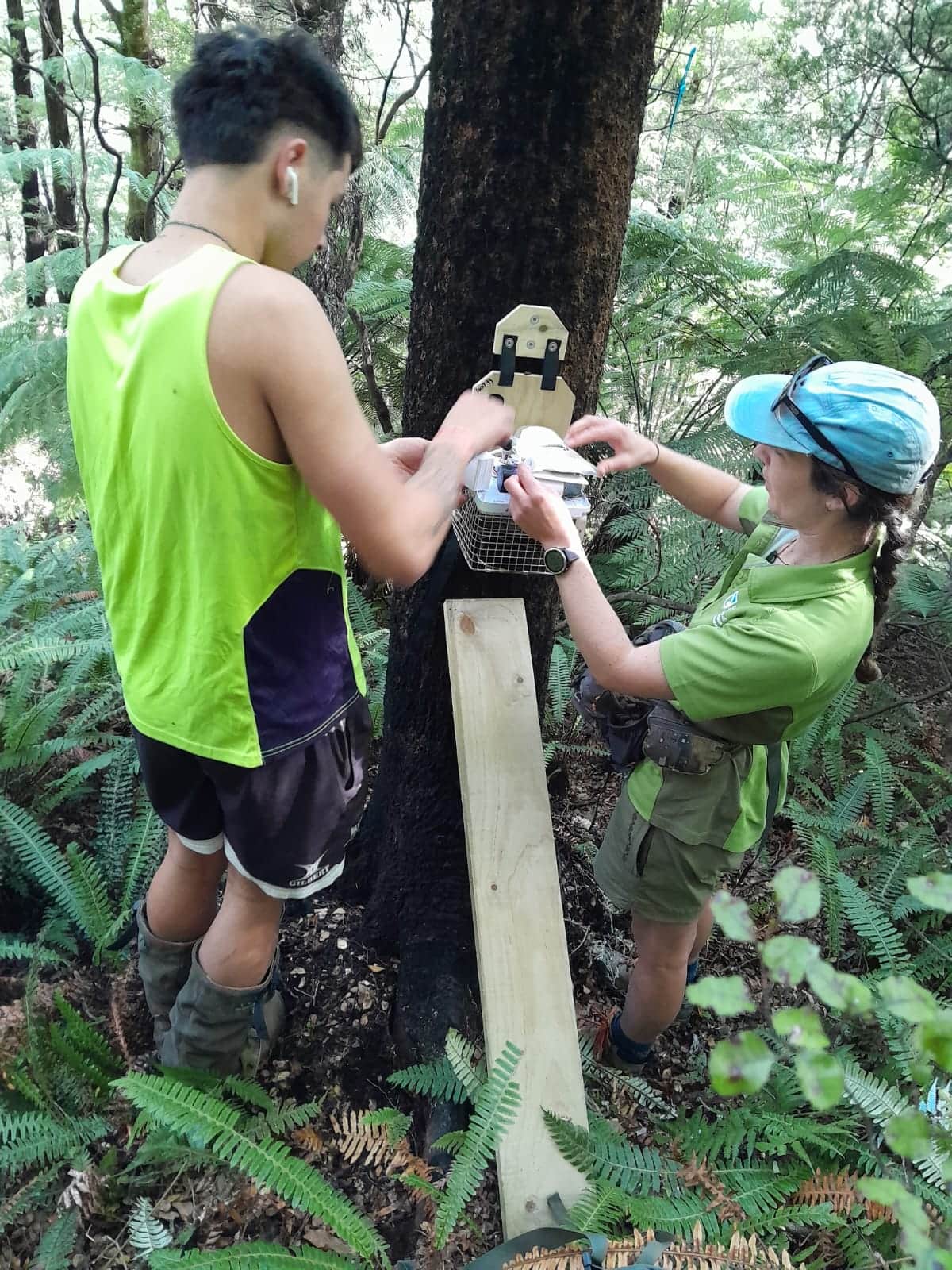
Funding was granted to the Te Hoiere Bat Recovery Program to purchase four AT220 self-resetting traps and lure — equipment deployed directly into the field around known maternity roosts.
WHY MATERNITY ROOSTS MATTER
During spring and summer, pekapeka-tou-roa aggregate in maternity roosts to give birth and raise their pups. Both adults and pups are highly exposed to predation at this time. In winter, bats enter torpor — a state of deep rest that reduces their ability to respond to threats and increases their risk further.
Targeted predator control around roost sites during these periods is one of the most direct and effective interventions available. The traps funded through this grant were placed at exactly these critical points.
THE AT220 DIFFERENCE
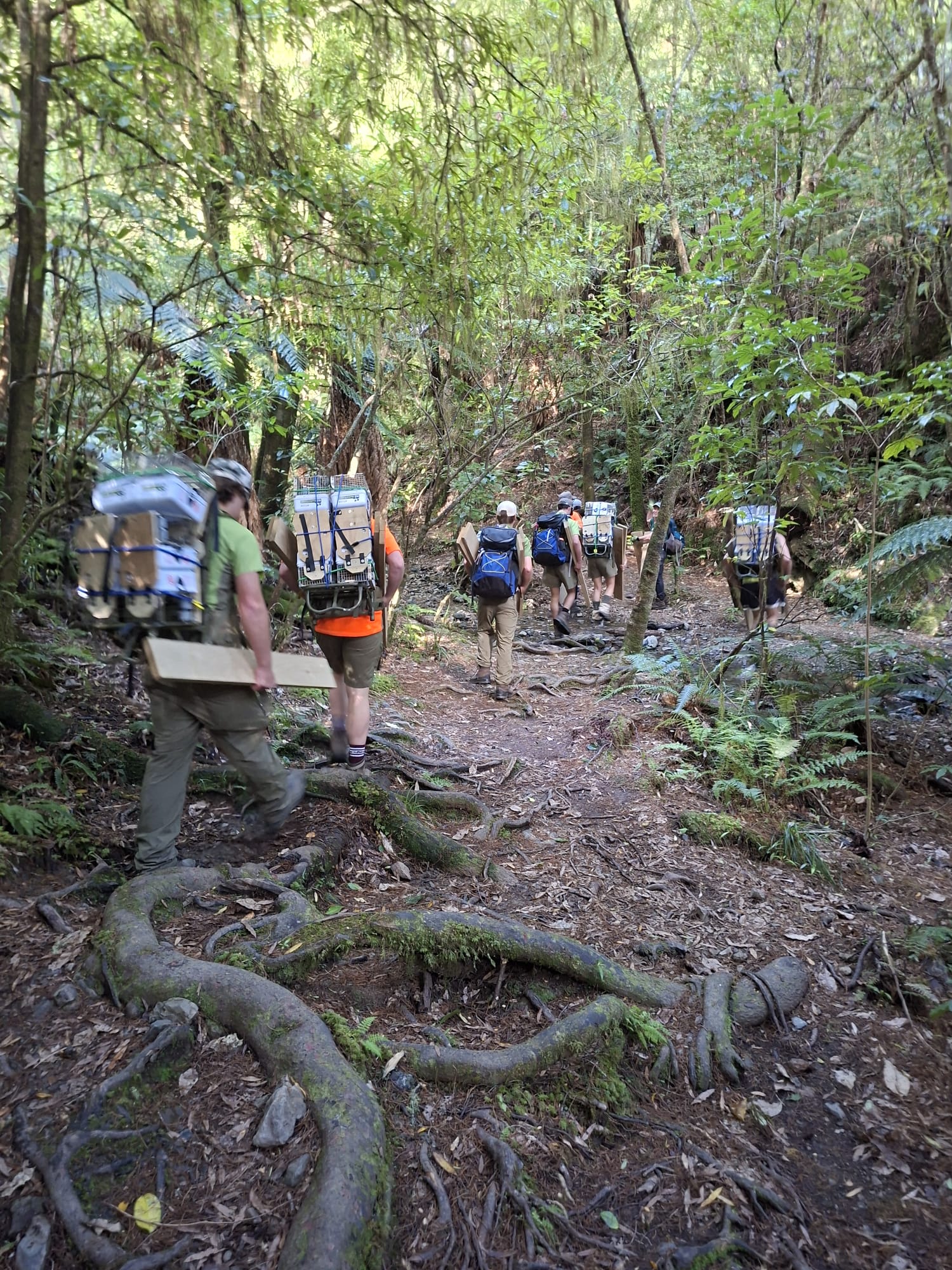
Conventional traps need to be reset manually after each capture — which means predator pressure drops every time a volunteer can't make it out to the site. In a remote valley an hour from the nearest city, with volunteer numbers stretched by rising fuel costs, that gap matters.
AT220 traps reset automatically. They maintain continuous predator pressure, day and night, regardless of how many people are available to service them. Field observations from comparable programmes show substantially higher capture rates over time — allowing greater coverage with the same level of volunteer effort.
The results at Te Hoiere have been clear. Rat tracking indices have been maintained below 5% — a strong indicator of effective predator control.
As Lucie Daniskova, Forest and Bird Predator Control Officer, put it:
"The AT220 traps have been working exceptionally well for us, maintaining rat tracking indices below 5%. Without this technology, it would be extremely difficult, if not impossible, for us to achieve the same level of results, particularly given our limited on-site capacity."
And from Budyong Hill, a long-time volunteer and original member of the bat recovery team:
"We've noticed a real shift since the AT220s went in, with the resetting traps being much more efficient than single set traps. They're working away all the time, even when we're not there, and it feels like we're finally putting consistent pressure on the problem areas."
SMALL IN SCALE. SIGNIFICANT IN IMPACT.
The pekapeka-tou-roa has low reproductive output and limited resilience to additional mortality. In practical terms, that means losing even a small number of bats to predation can have an outsized effect on the population. Every trap deployed around a maternity roost is a direct line of defence for a species that cannot afford to lose ground.
This grant is modest in dollar terms. But in the forest of Te Hoiere, it is four traps working continuously through the night — holding the line for one of New Zealand's most precious and precarious species.
That's what community funding makes possible.
To find out more about the Te Hoiere Bat Recovery Program and Forest and Bird's conservation work, visit forestandbird.org.nz
Together, we're building a stronger, more connected community across Te Tauihu — and protecting the wild places that make it home.
Other Recent News

The Shed That Keeps Cadets Going
More Than a Gym
A Grant That Launched a Career
Photos from Nelsontasman.nz, Only Marlborough and Unsplash.
Made with ♥️ by Avoca in Nelson, New Zealand